
 English



 Women
Women
 Bottom Wear
 Western Wear
 Maternity Wear
 Women's Inners
 Men's
Men's
 Men Traditional Wear
 Men Western Wear
 Men Inners

Fashion Tips
Casual Vs Formal: Dressing Right For Every Occasion
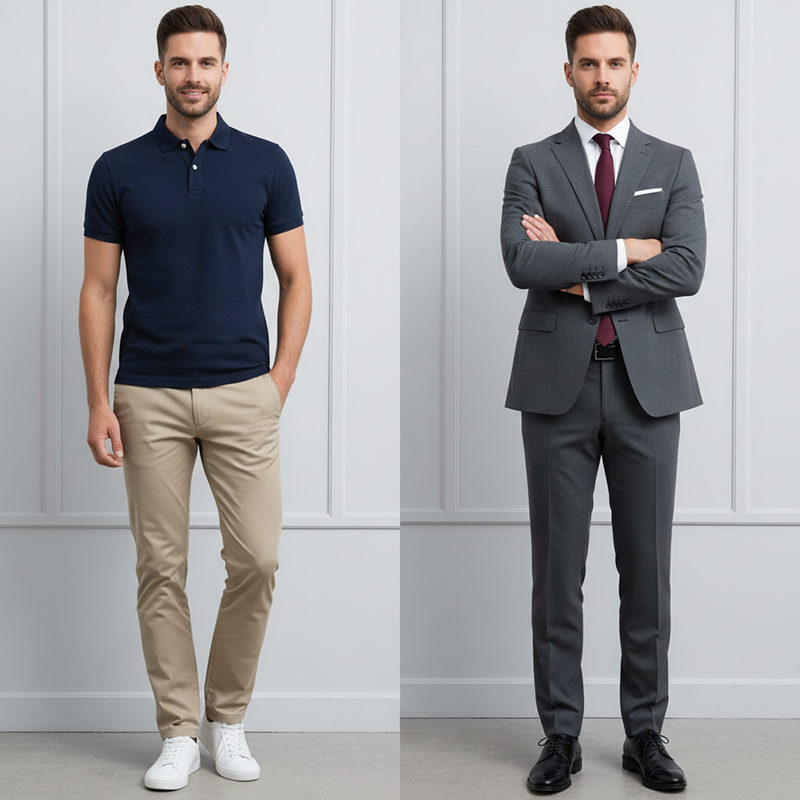
Understanding the difference between casual and formal dressing helps men present themselves appropriately across situations. Your outfit often communicates confidence, respect, and awareness before you speak. Dressing well is not about owning expensive clothes, but about knowing what works for each occasion. When you balance comfort with style and choose the right pieces intentionally, you can move effortlessly between relaxed settings and professional environments.
Style Purpose
Every dress code serves a purpose. Casual clothing focuses on comfort, ease, and personal expression, while formal attire emphasizes structure, polish, and professionalism. Recognizing the intention behind each style allows you to choose outfits that feel suitable rather than out of place. Dressing with purpose enhances your appearance and strengthens your overall presence.
Casual Wear
Casual outfits are designed for relaxed environments such as weekends, outings, and social gatherings. This style includes t-shirts, polos, jeans, chinos, sneakers, and lightweight jackets. The key to mastering casual dressing lies in clean fits and coordinated colors. Well-fitted casual clothing looks effortless yet stylish, offering comfort without appearing careless.
Formal Wear
Formal dressing is typically required for workplaces, events, meetings, and special occasions. This style includes tailored shirts, structured trousers, blazers, suits, and formal shoes. Formal wear focuses on sharp tailoring and classic silhouettes. When styled correctly, formal clothing projects confidence, reliability, and professionalism in both business and social settings.
Fit Matters
Regardless of the dress code, fit remains essential. Baggy or overly tight clothing can undermine even the best outfit. Well-fitted garments enhance body proportions and improve posture. Paying attention to shoulder alignment, sleeve length, and overall balance ensures you look composed whether dressed casually or formally.
Color Choices
Color plays a vital role in setting the tone of an outfit. Casual looks allow flexibility with brighter shades and playful combinations. Formal attire generally relies on neutral tones such as navy, grey, black, and white. Understanding how to balance colors helps you maintain versatility while adapting to different occasions.
Fabric Selection
Fabrics influence both comfort and appearance. Casual clothing often uses breathable materials like cotton and linen for everyday ease. Formal outfits benefit from structured fabrics that hold shape and create clean lines. Choosing the right fabric ensures your outfit looks appropriate and feels comfortable throughout the day.
Smart Balance
Modern style often blends casual and formal elements to create a balanced look. Pairing tailored trousers with a polo shirt or combining a blazer with clean sneakers creates a refined yet relaxed aesthetic. This balance allows you to stay stylish without appearing overdressed or underdressed.
Shoe Impact
Shoes significantly influence the overall impression of your outfit. Sneakers and loafers suit casual settings, while leather shoes enhance formal attire. Clean, well-maintained footwear elevates both casual and formal looks, reinforcing attention to detail and thoughtful presentation.
Occasion Awareness
Understanding the context of an event guides your outfit choices. Dressing appropriately shows respect for the occasion and those around you. When you develop awareness of dress codes, you gain the confidence to adapt your wardrobe seamlessly across work, celebrations, and everyday moments.
Trending Now
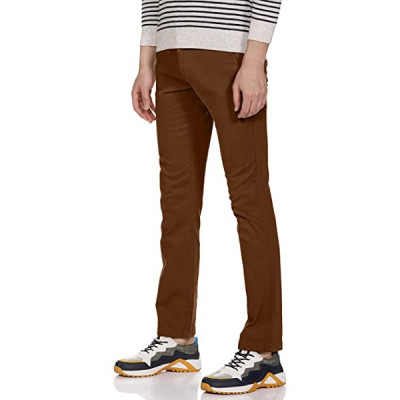
Men's Slim Casual Trouser
Rs.800.00
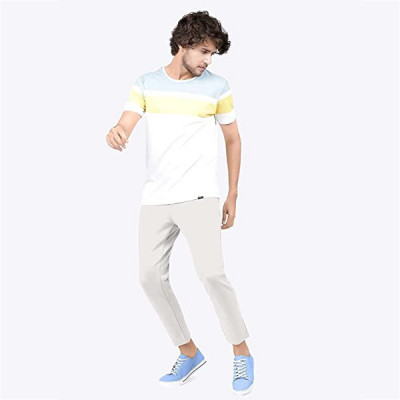
Men's Slim Fit Formal Trousers/Pant
Rs.543.00
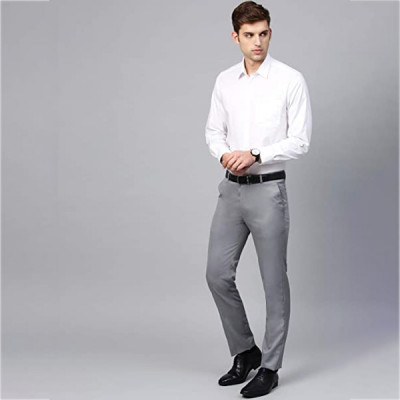
Men's Slim Fit Formal Trousers
Rs.707.00
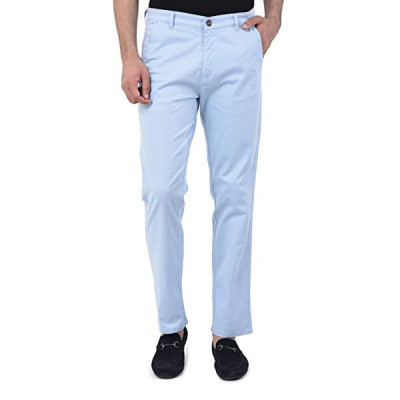
Men's Regular Fit Pants
Rs.544.00
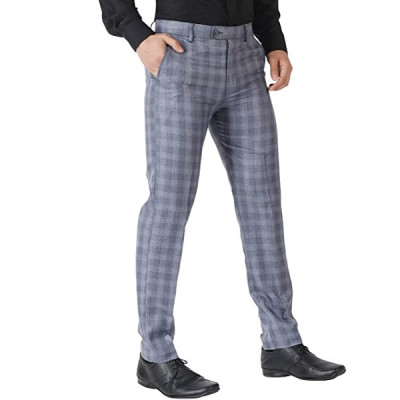
Men's Slim Fit Checkered Trouser
Rs.499.00
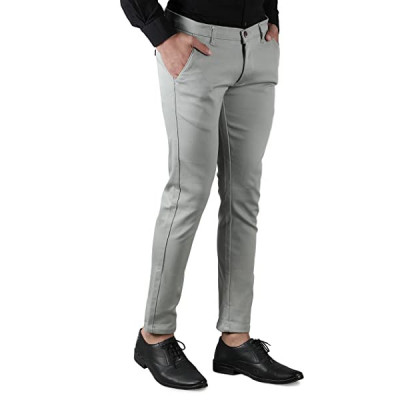
Textured Stretchable Trousers for Men
Rs.899.00
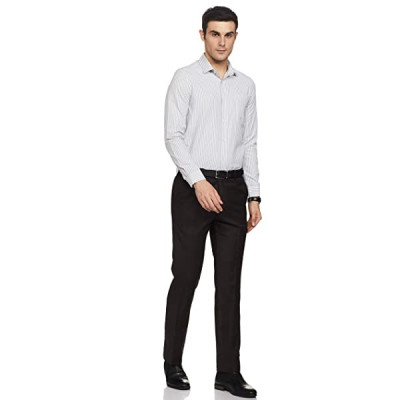
Men's Regular Pants
Rs.2,344.00